Parliament Returns: TAP Challenges Government to Make Poverty Prevention the Test of Success
New parliamentary session offers an opportunity to turn the Prime Minister’s “Preventative State” from an ambition into practical government policy
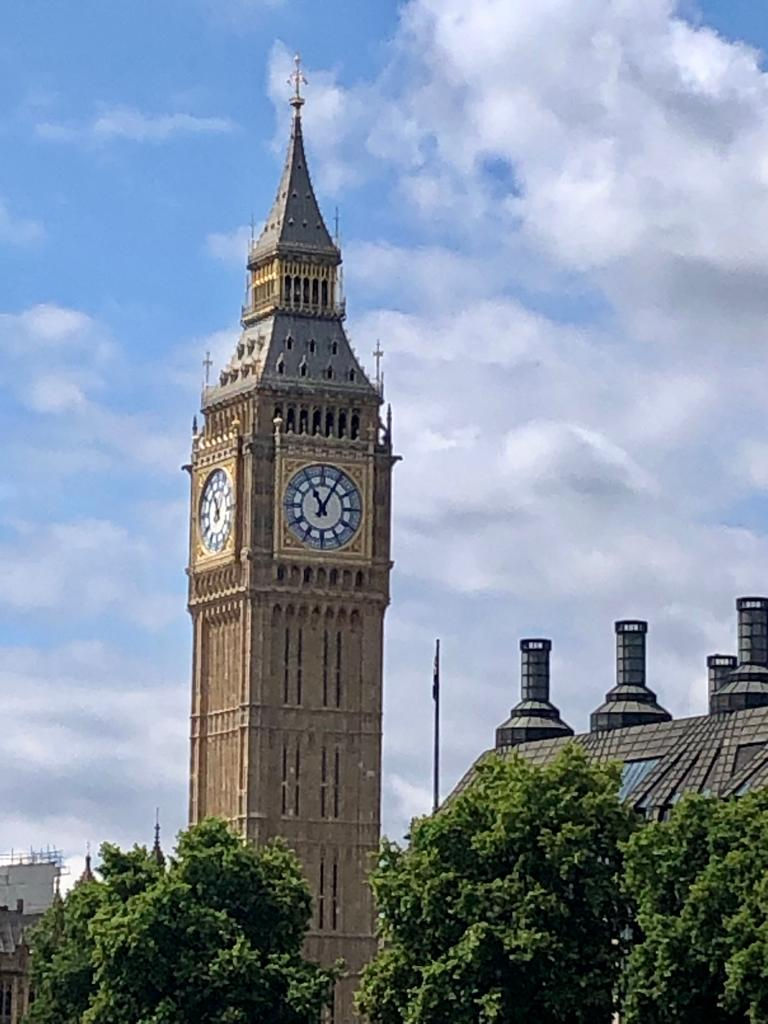
London 31 August 2026. As MPs return to Westminster on Tuesday 1 September, Taxpayers Against Poverty (TAP) is calling on the new Government to make preventing poverty, reducing the cost of living and improving financial security central tests of success in its first full parliamentary session under Prime Minister Andy Burnham. The House of Commons returns on 1 September, with the Prime Minister due to face MPs at PMQs the following day. (parliament.uk)
TAP has welcomed the Prime Minister’s commitment to building a “more preventative state” and his promise to invest in people’s success rather than continually paying for failure. It believes that principle should now extend across government—not just to homelessness and health, but to housing, taxation, transport, energy, education, employment and economic development. (Gov.UK)
Tom Burgess, Chief Executive of Taxpayers Against Poverty, said:
“This is an exciting opportunity for a new Government and a new Prime Minister to change the way Britain thinks about poverty. For too long, governments have spent billions managing the consequences of poverty after people have reached crisis point. We support people after they become homeless, after debts become unmanageable, after poor housing damages their health and after disadvantage has become entrenched. Of course, that support must always be there. But surely the greater ambition should be to prevent as many people as possible from reaching crisis in the first place.”
The economic case for prevention is already reflected in the Government’s own approach to rough sleeping. In announcing its new programme, the Government cited research estimating that a year of rough sleeping costs more than £20,000 per person compared with around £1,400 for a successful prevention intervention. (Gov.UK)
TAP argues that the same economic thinking should be applied much more widely.
Its new Prevention Dividend policy framework proposes that Government begins measuring not simply what preventative policies cost today, but the future public expenditure they avoid and the additional economic prosperity they create.
TAP describes this as:
Costs avoided + prosperity created = The Prevention Dividend.
Tom Burgess continued:
“The Prime Minister is right to talk about a Preventative State. Now we need to make it real. Housing policy can prevent homelessness. Better transport can connect people with employment. Energy efficiency can permanently reduce household bills. Education can prevent disadvantage becoming entrenched. A fairer tax system can reduce unnecessary pressure on household finances. A stronger productive economy can create the secure, properly rewarded work that is ultimately one of our best defences against poverty.
These aren’t separate issues. They are all part of the same challenge.”
The call comes as household finances remain under significant pressure. Consumer prices in June 2026 were more than 30% higher than in January 2021, while food prices had risen by more than 39% over the same period. The cost of living also continues to rank among the issues of greatest concern to the British public. (House of Commons Library)
TAP welcomes the Government’s early measures to ease household costs but argues that the next stage must address the structural causes of financial insecurity rather than relying predominantly on temporary relief.
Six Actions for a Preventative Government
As Parliament returns, TAP is calling on the Government to:
Make poverty prevention a cross-government objective, rather than leaving it principally to welfare policy.
Introduce a Prevention Test for major policies and spending decisions.
Establish a small Prevention Unit within HM Treasury to identify and measure the long-term returns from preventative investment.
Launch Prevention Investment Pilots across areas including housing, energy, education, debt, employment and transport.
Create a National Prevention Account, measuring future expenditure avoided and additional economic value created.
Publish an annual Prevention Dividend, allowing taxpayers to see whether
earlier intervention is improving lives and reducing future costs.
TAP will use the new parliamentary session to intensify its engagement with MPs from all parties. Its Prioritise Poverty Prevention Pledge already has the support of more than 30 MPs across five political parties, and TAP will now seek substantially more parliamentary signatories.
Its Prioritise Poverty Prevention Petition, backed by more than 10,000 people, will also be presented to the Prime Minister this autumn.
Alongside the campaign, TAP and the Progressive Policy Unit will continue circulating practical policy proposals to MPs and Government covering tax reform, housing, transport, energy, enterprise and regional economic development.
TAP is also expanding collaboration with other organisations through the Real Agenda Network, bringing together charities, campaigners, think tanks, specialists and other organisations working to reduce poverty and inequality while allowing each to retain its own identity and independence.
Tom Burgess concluded:
“This should be a session of Parliament about delivery. The Government has talked about reducing the cost of living and building a Preventative State. We welcome that direction and want to help turn those ambitions into practical policy. But prevention cannot become another political slogan. We need measurable action and we need to keep asking a very simple question of every major government decision:
Will this help prevent poverty—or will we simply end up paying to manage its consequences later? TAP intends to keep asking that question throughout this Parliament.”
ENDS
For media enquiries, interviews, or comment: Tom Burgess, CEO, Taxpayers Against PovertyEmail: media@taxpayersagainstpovery.org Website: www.taxpayersagainstpoverty.org.uk
About Taxpayers Against PovertyTaxpayers against Poverty is a UK-based independent advocacy group dedicated to tackling poverty, inequality, and economic injustice TAP seeks to influence national and local policy by promoting practical economic proposals that have a positive effect on reducing poverty and unnecessary financial hardship using a direct approach to decision makers and other influencers.
TAP was founded by the late Rev Paul Nicolson and is led by Tom Burgess, author of From Here to Prosperity, a new political agenda for a sustainable economy and greater social justice, which proposes taxing wealth more and income less. TAP is part of Real Agenda Network which brings together campaigns, research, media and public engagement to tackle poverty, inequality and the barriers preventing people from thriving.This includes Compassion in Politics which seeks to bring more honesty, respect and compassion into political life as well as The Progressive Policy Unit (PPU) which develops practical, evidence-based proposals on poverty prevention, economic fairness, taxation, public services and social wellbeing.

Comments